

Does a BMW tyre pressure warning mean a sensor has failed?
No. Low pressure, settings or a monitoring fault can trigger a warning. Check actual pressures and the exact message before recommending a replacement sensor.
Tyre pressure warning—or a monitoring-system fault?
A BMW tyre pressure warning in Dubai does not automatically mean you need a new sensor. The exact dashboard message, actual tyre pressures and condition of the tyres help determine the next step.
At WagenKenner in Al Quoz 4, we assess the concern before recommending parts. We replace compatible TPMS sensors when required and arrange specialist programming where needed. Any additional charges and timing are explained before you approve the work.
This guide explains pressure warnings, reset questions, sensor faults and what an assessment should include. For wider vehicle support, explore our BMW service and repair in Dubai.
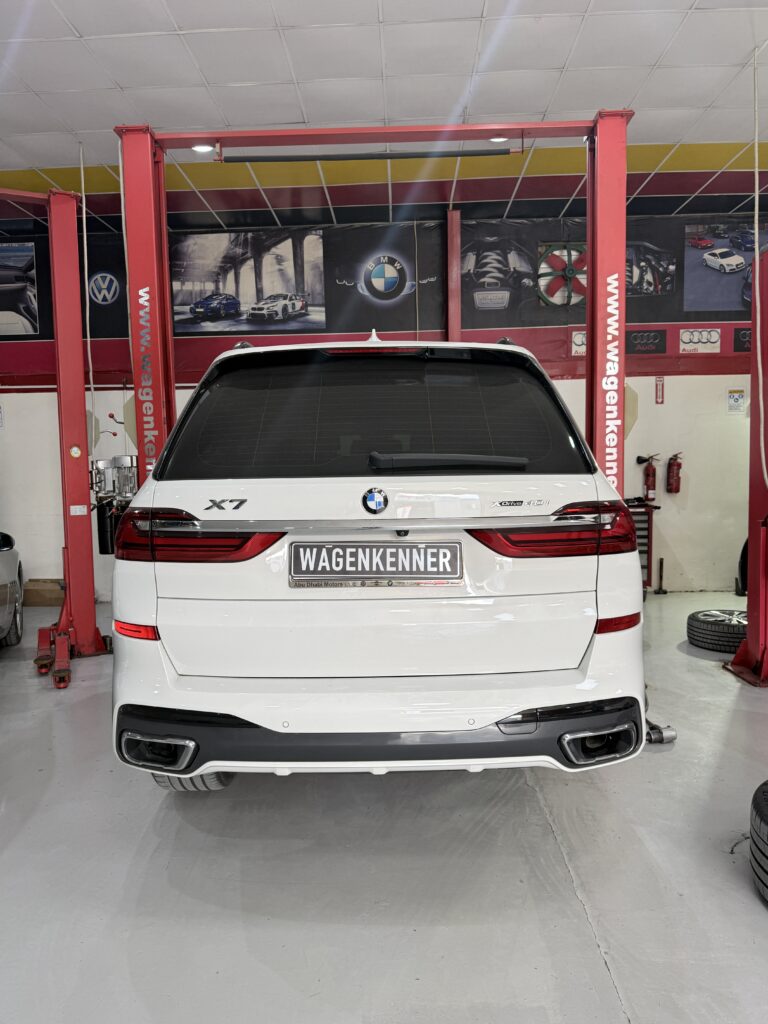
A BMW tyre pressure warning can indicate low pressure, a reset requirement or a monitoring-system fault. The exact message matters. Check the tyres and actual pressures before assuming a sensor needs replacement.
WagenKenner in Al Quoz 4, Dubai, assesses the concern and replaces compatible TPMS sensors when required. Specialist programming is arranged where needed, with the scope and charges explained before approval.
Note the exact dashboard message and when it appears. A pressure-loss warning and a monitoring malfunction need different checks. Neither should be dismissed by repeatedly resetting the system.
If the alert returns after you correct the pressures, check them again with a gauge. Repeated pressure loss needs investigation. If the pressures remain correct, the settings or monitoring system may need assessment.
A tyre that regularly loses pressure needs a leak check. Do not assume that changing its sensor will solve the problem. The tyre, valve and wheel need inspection to locate the source.
If your BMW normally displays individual pressures but a reading remains unavailable, note any accompanying message. Missing readings alone do not establish which component has failed.
An unsuccessful reset needs a check of the pressures, tyre settings and vehicle-specific procedure. If the problem continues, arrange an assessment rather than repeatedly restarting the process.
Tell the workshop if the warning began after tyre replacement, wheel changes or sensor work. This history helps guide checks of compatibility, settings and any required reset or relearn procedure.
Useful information to share: Photograph the warning while safely parked. Include your VIN, recent tyre work and whether measured pressure is actually dropping.
Once the actual pressures and dashboard message are clear, the next step is to identify why the warning appeared. Pressure loss, incorrect settings and monitoring faults require different solutions. Here are the possible causes an assessment should consider.
The cause depends on whether your BMW detects low pressure or reports a monitoring fault. Start with the actual tyre pressures, then investigate the message and system fitted to your vehicle.
A puncture, leaking valve or leak where the tyre seals against the wheel can cause pressure to drop. Repeatedly adding air does not resolve the source. A leak check helps identify the required repair.
Tyre pressure changes with temperature. Cooler mornings can reveal pressures that were already close to the warning threshold. However, do not dismiss an alert as seasonal without measuring the pressures and checking for loss.
Depending on the system, pressure corrections or tyre changes may require updated settings and a reset or initialisation. Follow the procedure for your BMW after confirming the correct pressures. Resetting with incorrect pressures can give the system an unsuitable reference.
On systems with wheel-mounted pressure sensors, a depleted sensor battery, damage or an incompatible replacement can interrupt readings. Testing should support the diagnosis before a sensor is replaced. Not every BMW uses the same monitoring system.
A system malfunction can involve communication, receiver or other vehicle electronics rather than the wheel sensor itself. Fault information and system checks help narrow down the cause.
Pressure loss and sensor faults are different problems. A new sensor will not repair a puncture. Equally, correcting tyre pressure may not resolve a confirmed monitoring-system malfunction.
Do not decide from the warning light alone. Read the dashboard message, stop somewhere safe and check the tyres. The next step depends on the actual pressures, tyre condition and handling.
Check the pressures against the vehicle’s specified values and follow its owner’s manual. If a tyre cannot hold pressure, is visibly damaged or appears flat, arrange assistance rather than continuing to the workshop.
A monitoring fault does not confirm that the tyres are correctly inflated. Check their pressures manually. The system may not provide reliable pressure-loss warnings until the fault is resolved. Follow the dashboard instructions and arrange an assessment.
Slow down smoothly and stop in a safe location. Avoid sudden steering or harsh braking where possible. Arrange roadside assistance if the vehicle becomes unstable, a tyre is flat or pressure loss continues.
Do not assume run-flat capability. Your BMW may have different tyres from its original specification. Any permitted driving after pressure loss depends on the fitted tyres, vehicle instructions and their condition—not a universal distance.
At WagenKenner, we start with the actual tyre pressures and the exact dashboard message. This helps separate pressure loss from a reset issue or a monitoring-system fault.
We check your BMW’s details and identify its monitoring system. We also ask about recent tyre, wheel or sensor work and whether the warning is constant or intermittent.
We compare measured pressures with the applicable vehicle specification and inspect for visible damage. If pressure is dropping, the source needs investigation before a reset or sensor replacement is considered a solution.
Depending on the fitted system, we review tyre settings, reset status and available diagnostic information. Missing readings or fault codes guide further checks; they do not automatically justify replacing every sensor.
We explain whether the findings point to pressure loss, a settings issue, sensor replacement or further system assessment. If programming is required, we arrange it through a specialist and confirm the charges and expected timing.
Before approving parts: Ask which findings support the recommendation and what the quotation includes. Replacing a sensor should address a confirmed need, not simply clear a warning temporarily.
Our work starts with assessing the warning and identifying the required next step. The quotation depends on the findings and the monitoring system fitted to your BMW.
We check measured pressures, review the dashboard message and assess relevant settings or diagnostic information. If the concern involves pressure loss, we explain the investigation needed before recommending sensor work.
WagenKenner replaces compatible wheel-mounted TPMS sensors when assessment supports replacement. We confirm the required specification and quantity rather than assuming all four sensors need changing.
Where programming is required, we arrange it through a specialist. We confirm the proposed work, additional charges and expected timing before you approve the quotation.
Check the agreed scope: A sensor quotation does not automatically include tyre replacement, puncture repair, wheel repair or other electronic repairs. Any additional work or specialist support is discussed separately.
The findings determine the work. If your BMW needs a replacement sensor, we confirm the parts and any specialist support before proceeding.
We explain the assessment results and proposed work. The quotation identifies the required sensor, fitting work and any programming charges. You approve the scope before repairs begin.
We confirm compatibility with your BMW’s fitted monitoring system and replace the agreed sensor. Any additional damage found during the work is discussed before extending the repair.
The setup depends on the vehicle and replacement sensor. Where programming is necessary, we coordinate it through a specialist. Reset and relearn procedures follow the requirements of the fitted system.
We check pressures, the serviced valve area and available system readings. Any required driving procedure is carried out only when the tyres and vehicle are safe to drive. A persistent fault needs further assessment.
We explain the completed work, system status and any remaining recommendations. If the warning returns, note the exact message and contact us rather than repeatedly resetting it.
No. The monitoring system can vary with model, production year, market and equipment. Confirm the fitted system before ordering sensors or following an online reset procedure.
A direct system uses sensors inside the wheels to measure tyre pressure. Depending on the vehicle, individual readings may appear on the display. Replacement sensors must be compatible with the fitted system.
An indirect system detects changes associated with pressure loss using wheel-speed information. It does not measure pressure through a sensor inside each tyre. Therefore, wheel-mounted pressure-sensor replacement is not the solution for this type of system.
Check your vehicle’s instructions: Dashboard wording and reset menus vary. Share your VIN and a photograph of the message so we can identify the appropriate assessment.
The time depends on the warning, inspection findings and work required. A pressure check involves different work from tracing an intermittent fault or replacing a sensor that needs specialist programming.
Before planning to wait: Share your VIN, dashboard message and details of recent tyre work. Ask us to confirm the appointment, parts availability and expected collection time. We explain any timing changes if further work is needed.
The cost depends on the cause of the warning. A pressure or settings issue involves different work from sensor replacement or an electronic fault. Assessment helps establish the scope before you approve repairs.
Ask what the initial assessment covers and whether further testing carries a separate charge. An intermittent warning may need more investigation than a concern that is present during inspection.
If replacement is required, pricing depends on the compatible sensor, parts brand and quantity. One faulty sensor does not automatically mean that all four need replacement.
Check whether the quotation includes fitting, required valve components and system setup. Where specialist programming is needed, we identify that work and its charges before approval.
A sensor price does not automatically include work on a puncture, damaged wheel or another electronic component. Any additional findings need a clear explanation and separate approval.
Compare the complete quotation: Check the sensor brand, quantity, fitting, any programming charges and total including VAT. A parts-only price is not directly comparable with a complete replacement service.
If the assessment supports sensor replacement, ask for a quotation that clearly identifies the following:
Approve a defined scope: Ask whether the quote covers assessment only or the complete proposed repair. Any additional work should be explained before you authorise it.
Explore these resources for other BMW concerns, workshop support and diagnostic cost considerations.
Find guidance on other BMW symptoms and warning messages if your vehicle has more than one concern.
Explore BMW maintenance and repair support at WagenKenner in Al Quoz 4.
Understand diagnostic cost considerations when a monitoring fault requires further investigation. Confirm the scope and fee for your specific concern.
Contact WagenKenner in Al Quoz 4 to arrange an assessment. Share your VIN, the exact dashboard message and details of any recent tyre or wheel work. Include measured pressures if available.
We explain the findings before recommending parts. Where sensor replacement needs specialist programming, we arrange it and confirm the charges and timing before you approve the work.
WhatsApp Us About Your BMW WarningIf a tyre is flat, visibly damaged or losing pressure rapidly, stop safely and arrange roadside assistance rather than driving to the workshop.
No. Low pressure, settings or a monitoring fault can trigger a warning. Check actual pressures and the exact message before recommending a replacement sensor.
Yes. Pressure falls as tyres cool, which can trigger a warning if it drops below the relevant threshold. Measure the pressures rather than assuming the weather is the only cause.
First confirm the correct pressures and check for damage or repeated pressure loss. Then follow your BMW’s reset instructions where required. A reset cannot repair a leaking tyre or valve.
No. Direct systems use wheel-mounted pressure sensors. Indirect systems detect changes using wheel-speed information. Confirm the fitted system before ordering replacement parts.
No. A vehicle reset and replacement-sensor programming serve different purposes. The required setup depends on the BMW system and sensor. Some replacements need specialist programming.
Do not continue just to complete the reset. Stop safely and arrange assistance. Follow the vehicle’s instructions and do not assume the fitted tyres have run-flat capability.
Contact WagenKenner in Al Quoz 4. We assess the concern and replace compatible sensors when required. Programming is arranged through a specialist where needed, with charges and timing confirmed before approval.
Send your VIN, mileage and a photograph of the exact warning taken while safely parked. Include any measured pressures and details of recent tyre, wheel or sensor work. Tell us whether the warning is constant or returns after inflation.
A photograph helps us understand the message, but it does not confirm which component has failed. Pressure checks and system assessment are needed before recommending parts.
Not automatically. Assessment should establish which sensors need attention. If more than one replacement is recommended, ask for the findings supporting each recommendation.
We replace compatible TPMS sensors and arrange programming through a specialist where required. We explain the proposed work, charges and expected timing before you approve the quotation.
Check the quotation rather than assuming these are included. It should identify the sensor, fitting work, required valve parts and any programming or setup charges. Confirm the total including VAT.
Ask us to confirm this when booking. Parts availability, workshop scheduling and specialist programming can affect the completion time. We can advise once the required scope is established.
Note the exact message and contact the workshop. Check actual pressures when it is safe to do so. Do not repeatedly reset the warning or assume it is the same fault. A flat tyre, rapid pressure loss or abnormal handling needs roadside assistance.
Yes. Continue pressure checks according to your vehicle’s instructions. A cleared warning does not replace routine tyre care. If one tyre repeatedly needs air, arrange a leak assessment.