

BMW Oil Pan Gasket Replacement in Dubai: Leak Diagnosis & Cost Factors

BMW oil pan gasket replacement in Dubai may be needed when inspection confirms a leak at the oil pan’s sealing joint. However, oil beneath the engine does not identify the source by itself. Oil from another leaking component can travel down and collect around the sump.

At WagenKenner in Al Quoz 4, Dubai, we assess the leak source and identify the engine before recommending repairs. The required sealing parts, access and labour depend on the vehicle’s design and the confirmed leaking joint.

This guide explains warning signs, leak diagnosis, repair scope and cost factors. It also covers what to check in your quotation before approving BMW oil pan resealing.

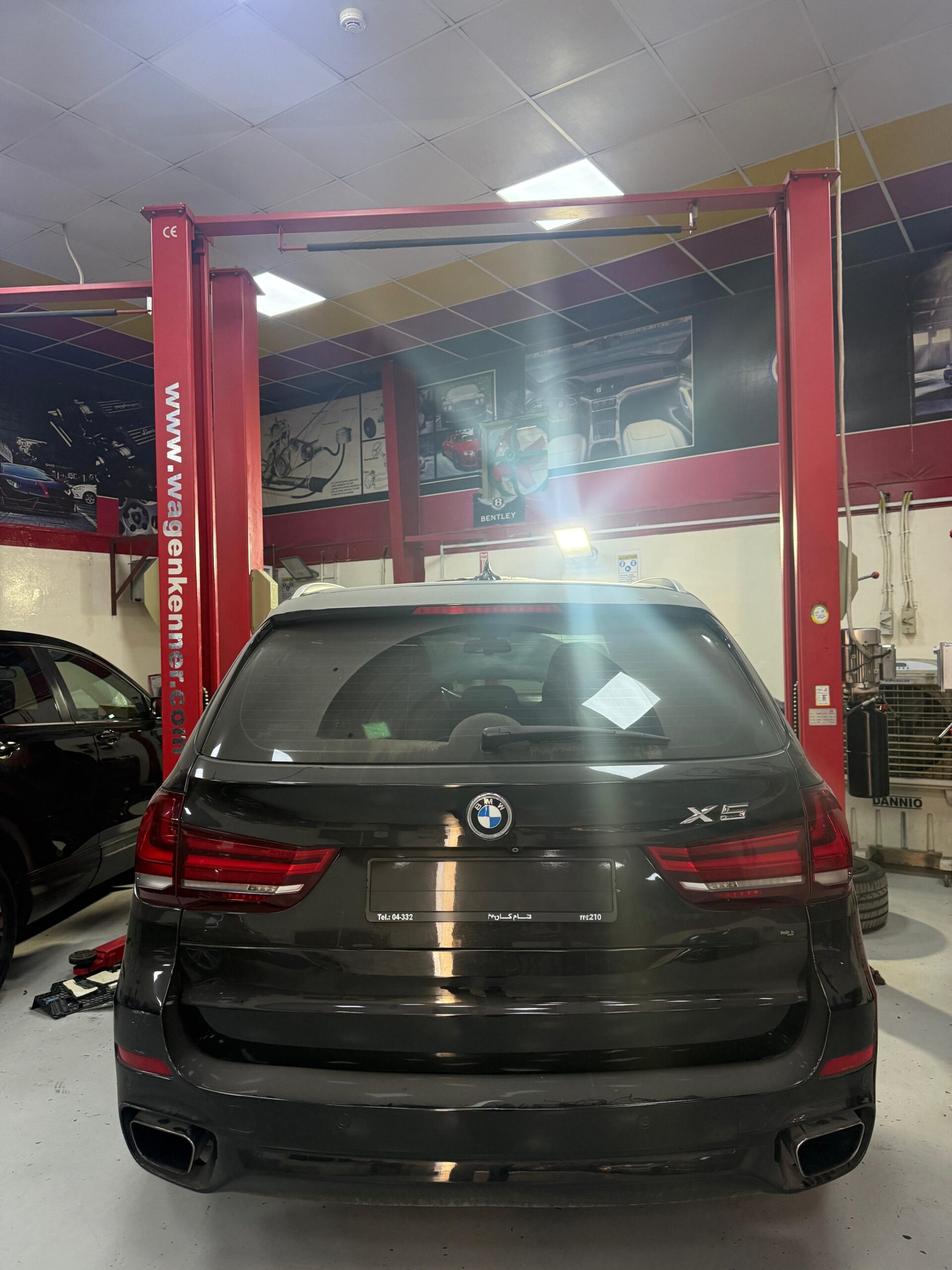
Rear view of a black BMW X5 at WagenKenner workshop in Al Quoz 4, Dubai

QUICK ANSWER

When Does a BMW Need Oil Pan Gasket Replacement?

BMW oil pan gasket replacement is appropriate when inspection confirms that oil is escaping from the pan’s sealing joint. Oil on the underside of the engine alone does not confirm this fault. The leak may begin higher up and spread down towards the sump.

The repair scope depends on the engine, pan design and leaking joint. It may involve replacing a gasket or resealing the joint using the specified sealing material. The quotation should explain the required parts, fluids, fasteners and access-related labour.

Before approving the work: Ask which joint is leaking, how the source was confirmed and whether the quotation covers an upper or lower pan section, where applicable. Share your VIN, mileage and inspection findings with WagenKenner in Al Quoz 4, Dubai.

Signs Your BMW May Have an Oil Pan Leak

An oil pan leak may first appear as light seepage or fresh drops beneath the engine. However, similar signs can come from other seals and components. Arrange an inspection if you notice:

  • Fresh oil spots after parking: Repeated marks beneath the engine area need checking to identify the fluid and its source.
  • Oil around the pan joint: A wet sealing edge may indicate a leak, but oil running down from above can leave a similar pattern.
  • Oil collecting on the undertray: The tray may hold leaked oil before it reaches the ground, making the source harder to locate.
  • A falling engine-oil level: Repeated top-ups or a low-level message need assessment. They do not identify the oil pan as the cause.
  • Fresh wetness after cleaning: Oil returning around the same joint helps the technician trace an active leak.
  • A burning-oil smell or smoke: Escaping oil may be reaching hot components. These signs need prompt attention.

No puddle does not mean no leak. Small leaks may leave residue on the engine or undertray. Equally, old staining alone does not prove that a joint is still leaking. Inspection should establish the source and severity before replacement is recommended.

Once the leak source is confirmed, the next step is to assess the sealing joint and the condition of the pan. This helps establish whether the repair requires a new gasket, specified sealant or replacement of a damaged component. The following factors can affect that decision.

What Can Cause a BMW Oil Pan Leak?

The repair depends on why oil is escaping. A leaking sealing joint, damaged pan and nearby component leak can require different work. Inspection should identify the cause before the repair scope is agreed.

Deterioration of the Sealing Joint

Over time, a gasket can lose its ability to seal. A joint sealed with liquid sealing material can also develop a leak. The correct repair method depends on the installed engine and pan design.

Problems With a Previous Repair

An unsuitable gasket, incorrect sealant application or poor surface preparation can leave a joint leaking. Incorrect fastener tightening can also affect the seal. A repeat leak needs assessment of the previous work and the mating surfaces.

Damage to the Oil Pan or Sealing Surface

An impact or damage during earlier work may crack the pan or affect its sealing surface. In these cases, replacing the gasket alone may not resolve the leak. The pan must be inspected before deciding whether resealing or replacement is appropriate.

Leakage From Another Pan Fitting

Oil may escape around a drain plug or, where fitted, an oil-level sensor seal. These points should be checked separately from the main pan joint. A local fitting leak does not automatically require removal of the pan.

Oil Travelling Down From Above

A leak higher on the engine can leave the sump wet. For example, a leaking oil filter housing may need a different repair, explained in our BMW oil filter housing gasket replacement guide. The lowest oily surface is not necessarily the source.

Can You Drive a BMW With an Oil Pan Leak?

Whether the car can be driven depends on the leak rate, oil level and any warning messages or other symptoms. A photograph of an oily sump cannot establish that driving is safe.

Light Seepage Without Other Symptoms

Arrange an inspection even if there are no drops on the ground. Check the oil level using the procedure in your vehicle handbook. Ask the workshop whether driving to the inspection is appropriate based on the reported condition.

Active Dripping or Repeated Low-Level Messages

Seek advice before continuing your journey if fresh drops keep appearing or the oil level falls repeatedly. Topping up does not repair the leak or confirm that the car is safe to drive. Recovery may be needed when the loss rate is significant or uncertain.

Oil-Pressure Warning, Rapid Oil Loss or Heavy Smoke

Stop safely, switch off the engine and arrange recovery. Do not restart the engine to test whether the warning disappears. An oil-pressure warning requires a different response from a routine oil-level check.

How We Diagnose a BMW Oil Pan Leak

At WagenKenner in Al Quoz 4, Dubai, assessment begins with the vehicle details and the reported problem. The aim is to identify the active leak and define the repair scope before recommending pan removal.

Confirm the Vehicle and Repair History

We identify the BMW engine and drivetrain using the VIN. We also review oil-level messages, top-up frequency, recent servicing and previous leak repairs. Any existing inspection report helps guide the checks.

Inspect the Leak Path

The inspection checks the pan joints and surrounding areas, including components above the sump. Undertrays may need removal to reveal where oil has collected. The drain plug and other fitted seals are checked separately from the main pan joint.

Clean and Recheck the Suspected Area

Where residue obscures the source, the affected area is cleaned and checked for fresh leakage. Further observation may be needed for a slow or intermittent leak. Engine running or road testing is considered only when the vehicle’s condition allows.

Assess the Pan and Confirm the Leaking Joint

We look for visible damage and identify which joint needs attention. Where upper and lower pan sections are fitted, the findings should distinguish between them. Some sealing-surface damage can only be assessed fully after dismantling.

Explain the Findings Before Approval

The recommendation should state the confirmed source, proposed sealing work and access requirements. Separate leaks or additional findings are explained individually. Oil-level or pressure warnings may require further investigation beyond the visible leak.

What Does BMW Oil Pan Gasket Replacement Include?

The agreed repair scope should address the confirmed leaking joint. Parts, sealing materials and access requirements vary with the BMW engine and drivetrain. Your quotation should identify the following items where they apply.

Gasket Replacement or Joint Resealing

The repair uses the gasket or sealing material specified for the installed pan design. Where the engine has upper and lower pan sections, the quotation should name the joint being repaired. Both sections should not be included automatically.

Access and Associated Labour

The scope should explain which surrounding components require removal or repositioning to reach the pan. Access work can account for a substantial part of the labour, depending on the vehicle layout.

Required Fasteners, Seals and Engine Oil

Include replacement fasteners and disturbed seals where the repair procedure requires them. The quotation should also state the engine oil, filter and other consumables included in the work, with the correct specification and quantity confirmed for the vehicle.

Pan Condition and Additional Repairs

A damaged pan or sealing surface may require more than a new gasket. Any additional work identified during dismantling should be explained and quoted for approval. Separate leaks should be listed individually rather than assumed to be part of the pan repair.

Checks After Reassembly

The agreed work should include checking the repaired area for fresh leakage and confirming the oil level. Any road test or further checks depend on the repair procedure and the vehicle’s condition.

Our BMW Oil Pan Repair Process

Once the repair is approved, the work follows the procedure for the identified BMW engine and drivetrain. The stages below describe the general workshop process.

  1. Confirm the Approved Work and Parts

    We check the leaking joint, agreed scope and vehicle details. Required sealing parts, fluids and replacement fasteners are confirmed before dismantling begins.

  2. Prepare the Vehicle and Gain Access

    The vehicle and any components requiring support are secured appropriately. Engine oil is drained as required, and surrounding components are removed or repositioned according to the repair procedure.

  3. Remove the Pan and Inspect the Joint

    The affected pan section is removed. The pan and mating surfaces are inspected for damage. Additional findings that change the agreed scope are discussed before further work proceeds.

  4. Prepare the Surfaces and Reseal

    Old sealing material is removed without damaging the mating surfaces. The specified gasket or sealant is applied, and the joint is assembled using the required fasteners, tightening sequence and torque settings.

  5. Reassemble and Refill

    Components removed for access are refitted. Any specified sealant curing requirements are observed before refilling or operation. The correct engine oil is added, with other fluids addressed where the work requires it.

  6. Check the Repair and Explain the Outcome

    We check the oil level and repaired area for fresh leakage. Further checks and a road test are completed where appropriate. The handover explains the work performed and any remaining findings requiring attention.

How Long Does BMW Oil Pan Gasket Replacement Take?

Repair time depends on the engine, drivetrain layout and leaking joint. A reliable completion estimate should follow inspection and parts confirmation. The same turnaround cannot be promised for every BMW.

  • Leak diagnosis: Cleaning and further observation may be needed before the source is clear.
  • Access requirements: Components that obstruct the pan can add removal and reassembly time.
  • Repair scope: The affected pan section and any damage found during dismantling can change the work required.
  • Parts and sealing materials: Availability and any specified sealant curing requirements affect the schedule.
  • Final checks: Allow time for refilling, leak checks and any appropriate road test.

Need the car back by a particular date? Mention this when booking. Ask for the expected vehicle collection time as well as the estimated labour hours, since these are not the same.

What Affects BMW Oil Pan Gasket Replacement Cost in Dubai?

BMW oil pan gasket replacement cost depends on the confirmed leak source, vehicle specification and access required. The gasket price alone does not represent the complete repair cost.

Engine and Drivetrain Layout

Different BMW engines and drivetrain configurations provide different access to the oil pan. The VIN helps identify the relevant parts and repair procedure before labour is quoted.

The Joint Being Repaired

Where upper and lower pan sections are fitted, repairing one joint may involve different work from repairing the other. A quotation should identify the affected section rather than simply state “oil leak repair.”

Access and Reassembly Labour

Removing and refitting surrounding components can account for a substantial part of the bill. Compare the access work included in each quotation, especially when the quoted labour differs.

Parts and Sealing Materials

The cost depends on the required gasket or sealant, fasteners and other disturbed seals. If parts options are offered, ask for the manufacturer and confirmed compatibility. A damaged pan may require replacement rather than resealing alone.

Fluids, Checks and Additional Findings

Check whether engine oil, the filter, consumables and final checks are included. Separate leaks or damage discovered during dismantling can change the total, but additional work should be explained and approved before it proceeds.

Compare the scope as well as the total. Ask whether diagnostic charges and VAT are included. A lower quotation may cover a different joint or exclude items included elsewhere. Share your VIN and inspection findings for a vehicle-specific quote.

What Should Your BMW Oil Pan Repair Quotation Include?

Before approving the repair, check that the quotation clearly identifies the vehicle, leaking joint and work included. Use this checklist when reviewing or comparing estimates.

  • Vehicle details: BMW model, VIN and relevant engine or drivetrain specification.
  • Confirmed repair location: The joint requiring attention, including the upper or lower pan section where applicable.
  • Parts and sealing materials: Gaskets, specified sealant, replacement fasteners and other required seals. Named parts options should be clearly identified.
  • Labour scope: Access work, pan removal, surface preparation, resealing and reassembly.
  • Oil and consumables: Engine oil specification, brand and quantity, plus the filter and other consumables included.
  • Checks and separate charges: Final leak checks and any diagnostic work, additional repairs or exclusions.
  • Total payable: Parts, labour, other charges and VAT clearly shown, with any estimate assumptions explained.
  • Timing and warranty terms: Parts availability, expected turnaround, quotation validity and the applicable parts and workmanship warranty.

Agree on additional-work approval. If dismantling reveals damage that changes the scope, ask the workshop to explain the findings and obtain your approval before proceeding.

Need Your BMW Oil Leak Assessed?

Contact WagenKenner, European Car Specialist in Al Quoz 4, Dubai, to arrange an inspection. We assess the leak source and explain the proposed repair before you approve the work.

Share your BMW’s VIN, mileage, symptoms and any inspection report or photographs. These details help us discuss the next steps and prepare a quotation once the repair scope is confirmed.

Discuss Your BMW Oil Leak on WhatsApp

WhatsApp: 054 450 1717
WagenKenner · Al Quoz 4, Dubai

BMW Oil Pan Repair: Questions Before Approval

Does an oil pan leak mean the whole pan needs replacing?

Not necessarily. Resealing may be appropriate when the pan and mating surfaces are suitable for reuse. Cracks, distortion or other damage can change the repair recommendation. The findings should explain why replacement is needed.

Should upper and lower oil pan joints be repaired together?

Not automatically. Where both sections are fitted, each proposed repair needs a clear reason. Ask which joint is leaking and whether access to that joint requires disturbing another seal. The quotation should explain any linked work.

Is an oil pan leak the same as an oil filter housing leak?

No. They involve different components and repair procedures. However, oil from a housing leak can travel down the engine and collect near the pan. Cleaning and tracing fresh leakage helps identify which joint actually needs attention.

Why can labour cost more than the oil pan gasket?

The gasket is only one part of the job. Access, component removal, surface preparation, reassembly and final checks all require labour. The engine and drivetrain layout determine how much work is needed to reach the leaking joint.

Frequently Asked Questions

BMW Oil Filter Housing Gasket Replacement FAQs

Practical answers about leak identification, related components, repair requirements, Dubai conditions and BMW ownership.

Leak Evidence and Related Components

Does oil around the filter housing confirm gasket failure?

No. Oil may come from the filter-cap seal, oil cooler, sensors, valve cover, timing cover or another nearby component. Oil spilled during servicing can also leave residue. The engine may need cleaning before the highest active leak point can be confirmed.

Can the BMW oil-filter-cap seal imitate a housing-gasket leak?

Yes. A damaged, twisted or incorrectly positioned cap O-ring can allow oil to spread across the housing. The filter cap and its seal should be inspected before the housing gasket is blamed.

Can the oil-cooler gasket leak separately from the housing gasket?

Yes. Some BMW engines use a separate seal between the oil cooler and filter housing. Either joint may leak, and both should be inspected before the required parts are selected.

Why can an oil leak return after gasket replacement?

A leak may return if the original source was misidentified or the housing is cracked or distorted. Incorrect parts, damaged sealing surfaces, improper tightening and overlooked cooler or sensor leaks can also cause repeat problems.

Repair Decisions and BMW Ownership

Should the engine oil, filter and coolant be replaced during the repair?

It depends on the BMW engine and repair scope. Oil and coolant may need to be drained or corrected during access. Replacement is appropriate when fluids become contaminated, servicing is due or the approved repair procedure requires it.

Does an oil-contaminated BMW drive belt always need replacement?

Not automatically. The belt, tensioner and pulleys should be inspected. Replacement is justified when the belt is oil-soaked, swollen, cracked, slipping, damaged or no longer safe to reuse.

How long do BMW oil filter housing gaskets last in Dubai?

There is no fixed lifespan for every BMW. Condition depends on the engine, mileage, heat exposure, parts quality and previous installation. Inspection is more reliable than replacement at one universal mileage.

Can a pre-purchase inspection identify an oil filter housing leak?

An inspection can identify visible seepage, oil residue, falling levels and belt contamination. However, a recently cleaned engine or intermittent leak may require additional running, cleaning or reinspection before the source becomes clear.

Leave a Comment

Your email address will not be published. Required fields are marked*